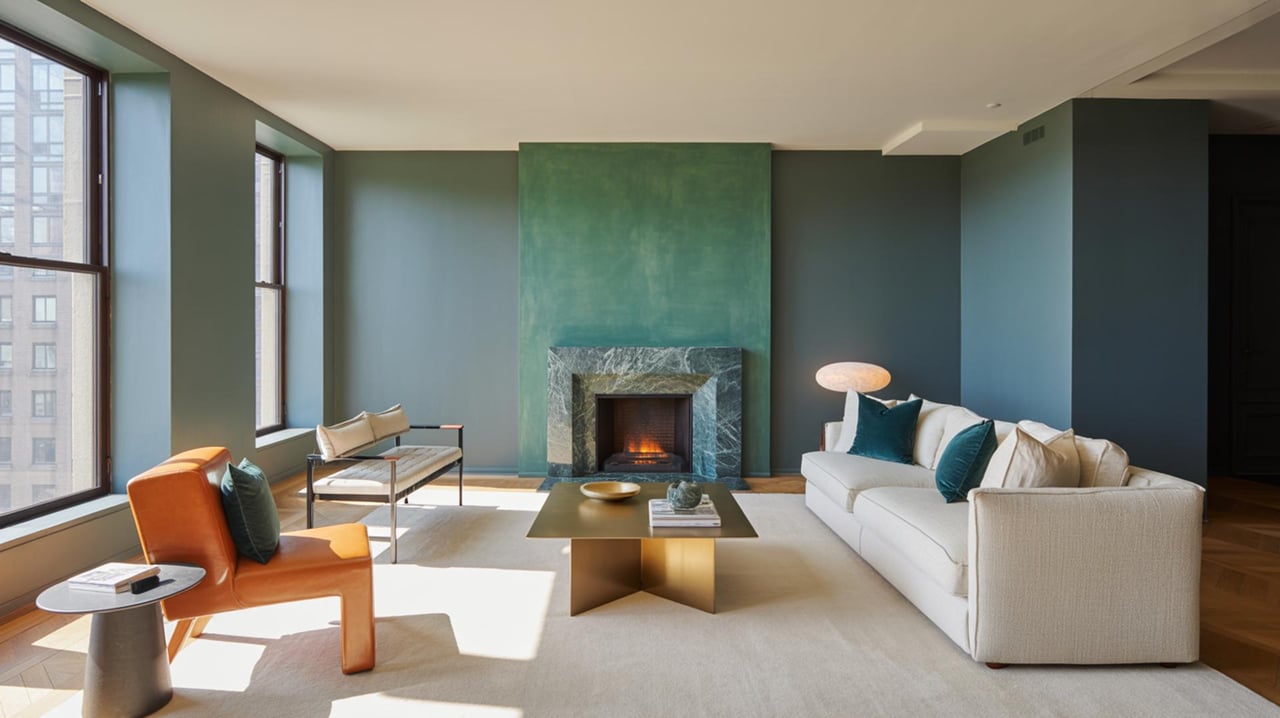
Choosing the right paint tones for your home can dramatically alter its atmosphere and aesthetic appeal. Whether you're looking to refresh a single room or revamp your entire living space, understanding how to select and apply the perfect colors is essential. This exploration into color play will guide you through the nuances of color selection, offering insights and practical tips to help you transform your home into a harmonious and visually pleasing environment.
Understanding Color Psychology
Color psychology plays a significant role in how we perceive spaces. Different colors can evoke various emotions and moods, influencing the ambiance of a room. For instance, blues and greens are often associated with calmness and tranquility, making them ideal for bedrooms or relaxation areas. On the other hand, warm colors like reds and oranges can create a sense of energy and excitement, perfect for social spaces like living rooms or dining areas. Understanding these psychological effects can help you choose colors that align with the intended purpose of each room, enhancing the overall experience for those who inhabit the space.
Considering Natural Light
Natural light can significantly impact how paint colors appear in a room. The amount and direction of light can alter the perception of color, making it crucial to consider when selecting paint tones. Rooms with ample natural light can handle darker or more vibrant colors, as the light will keep the space from feeling too enclosed. Conversely, rooms with limited natural light may benefit from lighter, more reflective colors to create a sense of openness and brightness. Observing how light interacts with color samples at different times of the day can provide valuable insights into how a color will truly look in your space.
Choosing a Color Palette
Creating a cohesive color palette is essential for a harmonious home design. A well-thought-out palette ensures that colors complement each other, providing a seamless transition from one room to the next. Start by selecting a base color that will serve as the foundation for your palette. From there, choose complementary colors that enhance the base color without overwhelming it. Consider using a color wheel to identify harmonious combinations, such as analogous or complementary color schemes. This strategic approach to color selection can unify your home’s design, creating a balanced and aesthetically pleasing environment.
Testing Paint Samples
Before committing to a color, it's wise to test paint samples on your walls. Paint samples allow you to see how a color looks in your specific environment, taking into account factors like lighting, furniture, and room size. Apply samples to different walls and observe them at various times of the day to get a true sense of how the color will appear. This hands-on approach can prevent costly mistakes and ensure that the final result aligns with your vision. Testing samples also provides an opportunity to experiment with bold or unconventional colors, giving you the confidence to make daring design choices.
Using Accent Walls
Accent walls are an effective way to introduce color without overwhelming a space. By painting one wall in a contrasting or bold color, you can create a focal point that adds depth and interest to a room. Accent walls work well in spaces where you want to draw attention to a particular feature, such as a fireplace, artwork, or architectural detail. When choosing a color for an accent wall, consider the existing color palette and select a shade that complements the other walls while standing out enough to make an impact. This technique allows you to experiment with color in a controlled and stylish manner.
Incorporating Trends
While timeless colors provide a classic look, incorporating current color trends can give your home a modern edge. Staying informed about popular color trends can inspire fresh ideas and keep your home’s design up-to-date. However, it’s important to balance trends with personal style to ensure that your home reflects your unique taste. Consider using trendy colors in smaller doses, such as through accessories, accent walls, or smaller rooms, to avoid overwhelming your space. This approach allows you to enjoy the excitement of new trends while maintaining a timeless and personalized aesthetic.
Balancing Neutrals and Bold Colors
Achieving a balance between neutral and bold colors is key to creating a visually appealing space. Neutrals, such as whites, grays, and beiges, provide a versatile backdrop that can be easily updated with pops of color. Bold colors, on the other hand, add personality and vibrancy to a room. Striking the right balance involves using neutrals as a foundation and incorporating bold colors through accents, furniture, or decor. This combination allows for flexibility in design, as neutral spaces can be easily refreshed with new bold elements, keeping your home dynamic and adaptable to changing tastes.
Considering Room Functionality
The functionality of a room should influence your color choices. Different rooms serve different purposes, and the colors you choose can enhance or detract from their intended use. For example, a home office might benefit from colors that promote focus and productivity, such as soft blues or greens. In contrast, a playroom could embrace bright, energetic colors that stimulate creativity and playfulness. By aligning your color choices with the function of each room, you can create environments that support and enhance daily activities, making your home more enjoyable and efficient.
Coordinating With Existing Decor
When selecting paint tones, it’s important to consider your existing decor and furnishings. The colors of your walls should complement the furniture, artwork, and accessories in each room to create a cohesive look. Consider the dominant colors in your decor and choose paint tones that harmonize with these elements. This coordination ensures that your design feels intentional and unified, rather than disjointed or chaotic. By taking into account the colors and styles of your existing decor, you can create a seamless transition between old and new, resulting in a harmonious and well-designed space.
Seeking Professional Advice
For those who feel overwhelmed by the color selection process, seeking professional advice can be invaluable. Interior designers and color consultants have the expertise to guide you through the complexities of color theory and application. They can provide personalized recommendations based on your home’s architecture, lighting, and your personal preferences. Professional guidance can also introduce you to new ideas and possibilities that you may not have considered, helping you achieve a polished and sophisticated look. Investing in professional advice can save time and ensure that your home’s color scheme is both beautiful and functional.
Transform Your Home Today
Choosing the right paint tones can truly transform your living space, making it more vibrant and inviting. With the right colors, your home can reflect your personality and style, creating a perfect sanctuary. If you're ready to explore the endless possibilities of color in your home, don't hesitate to reach out to the Tim Conroy for expert advice and guidance. Let them help you bring your vision to life with the perfect paint tones.