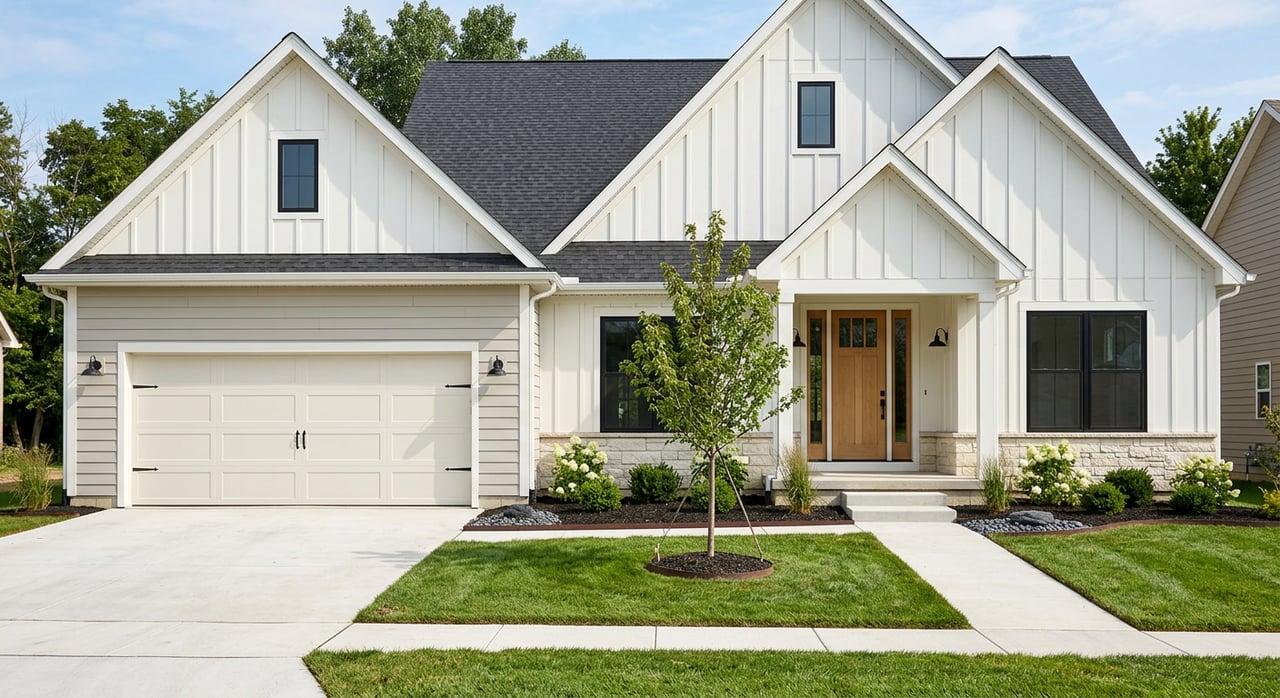
Thinking about buying a new home in North Liberty? You are not alone. New builds are popping up across town, and the choices can feel exciting and overwhelming at the same time. This guide gives you a clear, local view of how new construction works here, what to watch in the contract, how financing and timelines really play out, and the health and warranty details you should not skip. Let’s dive in.
How new construction works in North Liberty
Local codes, permits, and inspections
North Liberty’s Building Department reviews plans, issues permits, and inspects new homes for code compliance. The city uses the 2021 International Codes for residential construction and follows Iowa SUDAS standards for public improvements. That means your build will go through defined checkpoints tied to those codes and inspections. You can review the city’s permitting and inspection overview on the official site for North Liberty Building and Inspection.
Your build options
- Spec or inventory homes. These are move-in ready or close to it. You get the fastest timeline and fewer choices on finishes.
- Production or to-be-built. You choose a plan and make selections at a design center. The builder controls the plan and change limits.
- Semi-custom or custom. You tailor a plan or design from scratch. Expect a longer preconstruction phase and more decisions.
Across North Liberty you will see active neighborhoods with both quick-move-in homes and lots for to-be-built plans. In fast-moving markets, this mix lets you match your timeline with your level of customization.
The contract: what to watch
Builder purchase agreements are not the same as the standard MLS resale contract. Read every page, ask questions, and get all promises in writing.
Price, lot premiums, and site costs
The base price often excludes the lot premium and any site-specific work like extra grading or retaining walls. Ask for a written spec sheet that lists all base inclusions and any lot-related costs. For a simple overview of how these pieces fit together, see this plain-English guide to builder pricing and contracts from Homes.com.
Deposits and refunds
Expect an earnest deposit and, for to-be-built or custom homes, design-center deposits. The contract should spell out where deposits are held, the refund policy, and what happens if you cancel within a set number of days. Ask for the exact refund triggers in writing and keep copies of every receipt.
Allowances and upgrades
Many builders use “allowances” for cabinets, countertops, flooring, and appliances. If your picks exceed the set dollar amount, you pay the difference. Credits for choosing under-budget items may not be automatic. Get an itemized allowance schedule up front and track your selections. For a deeper look at how allowances work, read this explainer on builder allowances and overages.
Change orders and deadlines
Ask for the cut-off dates for each selection and how late changes are priced. Change orders can add cost and time, especially once materials are ordered. Make sure the contract states the fee structure and whether a late change extends your completion date. You will avoid surprises by confirming this in writing.
Timeline and delay language
Most builder contracts include a projected schedule and disclaimers for weather, supply, or permitting delays. Ask for milestone dates and what happens if the builder misses them. Some contracts offer extensions with no remedy for you. Others may include credits or specified remedies. Know your rights before you sign.
Timelines and financing
Typical build times
Production homes often finish in about 6 to 12 months after permits and site work begin. More complex custom builds can run 9 to 18 months or longer. National benchmarks place the average permit-to-completion timeframe near 8 to 11 months, but your exact timing depends on the plan, lot, and supply chains. For perspective on typical timelines, see this overview of build durations from SoFi.
How you pay for a new build
- Spec or move-in ready homes. You use a standard purchase mortgage at closing.
- Construction-to-permanent loans. One closing funds the build and then converts to a standard mortgage at completion.
- Two-close approach. You close on an interim construction loan during the build, then refinance into a permanent loan when the home is done.
Availability and terms vary by lender. Confirm whether your lender offers one-time-close options and how they handle draws and inspections. For a consumer-friendly primer, review this guide to construction-to-permanent financing.
Appraisals and upgrades
Tell your lender about major upgrades early so the appraiser can see the full scope and value. Keep every change order, selection sheet, and invoice organized. Lenders need documentation to support the final appraisal.
Inspections, radon, and warranties
Independent inspections you should consider
City inspections focus on code compliance, not cosmetic finish or fit-and-finish items. Many buyers hire an independent inspector at key stages like foundation, pre-drywall, and final. A good inspector can flag small issues before they become big ones.
Radon in North Liberty
Iowa is a high-radon state, and Johnson County falls in EPA Radon Zone 1. The Iowa Radon Program estimates that about seven in ten homes test at or above the EPA action level, and testing is the only way to know your levels. Learn more at the Iowa Radon Program.
North Liberty has adopted radon-resistant new construction practices based on the IRC Appendix F guidance for new residential buildings. This means a passive radon control system is part of the local standard for new single-family homes. Ask your builder whether the home includes these features and whether a post-completion radon test will be provided. You can read about code adoption for radon-resistant construction in the EPA’s overview of radon-resistant building practices.
Builder warranties and your 11th-month review
Most new-home warranty programs follow a 1-2-10 pattern: one year for workmanship and materials, two years for systems, and ten years for structural coverage when a third-party program is used. Ask for the full warranty booklet and note how to submit claims, response times, and coverage limits. It is smart to schedule an independent “11th-month” inspection before the one-year mark so you can submit all items in time. See a helpful overview of warranty timing and checkups in this guide to new-home warranty best practices.
Representation, negotiation, and Iowa rules
Who the sales rep represents
The model-home salesperson works for the builder. Their job is to represent the builder’s interests and process. If you want an advocate in your corner, hire a buyer’s agent early. A seasoned agent will review the builder contract, walk you through allowances and change-order rules, and coordinate with a real estate attorney if needed. For a consumer-friendly reminder on these dynamics, see this overview from Homes.com.
Iowa’s 2024 buyer-representation updates
Iowa updated its brokerage rules in 2024. Agents must provide written agency disclosure and explain compensation policy, and a written buyer agreement is required when an agent will represent you. At your first substantive meeting, ask for the disclosures and a buyer agency agreement so roles and expectations are clear. You can review the rule notice from the Iowa Real Estate Commission here.
What is usually negotiable
Builders vary, but common negotiation levers include lot premiums, closing-cost help, rate buydowns, included appliances, minor upgrades, and timing. Production builders may hold firmer on base price but offer incentives. Custom builders may be flexible on plan elements within material and labor limits. Always get incentives and upgrade credits in the contract or an addendum.
When to bring in an attorney
If you see strict cancellation penalties, arbitration-only clauses, vague allowance language, or unclear refund terms, get a legal review before you sign. An experienced buyer’s agent can flag issues and suggest local attorneys who handle new-construction contracts.
Protecting yourself after closing
Iowa’s construction-defect process
Iowa law requires a “notice and opportunity to repair” procedure for many construction-defect claims. In practice, you must send a formal written notice to the builder and give them a chance to address the issue before filing a lawsuit. This process, found in Chapter 686, affects strategy and timelines for any defect dispute. You can read the statute summary on Iowa’s Chapter 686 notice requirements.
Keep great records
Save your warranty booklet, product manuals, and every email and photo of issues you see. Use the builder’s warranty form and submit items on time. Schedule an 11th-month inspection so you can request workmanship fixes before the one-year coverage window closes.
Quick checklist for model-home visits
- What is included in the base price? Ask for a printed spec and inclusion sheet.
- What are the allowance amounts for cabinets, counters, flooring, and appliances? How are overages billed?
- What is the deposit schedule? Are deposits escrowed? Under what conditions are they refundable?
- What is the typical build timeline here? Which permits remain? What is the projected certificate of occupancy date?
- Does the sales rep represent the builder? May I use a buyer’s agent, and how is that handled in writing under Iowa rules?
- What warranty comes with the home? Is there a third-party structural warranty? How do I file claims?
- Has the home been radon tested? Were radon-resistant construction techniques used on this lot, and will a post-completion test be provided?
Budget and timing tips
- Plan a design contingency. Many buyers spend 10 to 20 percent above base price on selections. Get allowance lists early and rank your must-haves.
- Ask about rate locks. If you use construction financing, confirm how long you can lock and whether your lender offers one-time-close options. Rate shifts during long builds can change your payment.
- Schedule an 11th-month inspection. Capture every small fix before your one-year workmanship coverage ends.
Red flags to watch
- Vague allowance language with no dollar amounts or unclear “like kind” replacements. Read the allowance schedule carefully and ask questions. A primer on allowance pitfalls is outlined in this post on builder allowances.
- Arbitration-only clauses or strict cancellation penalties. If you see these, slow down and get advice. A quick consumer guide from Homes.com explains why these terms matter.
- No clear deposit or refund language if the builder misses deadlines. Ask for milestones and remedies in writing.
Ready to tour new builds?
Buying new construction in North Liberty can be smooth and rewarding when you understand the local rules, the contract fine print, and the right negotiation levers. If you want a calm, step-by-step process and a seasoned advocate on your side, connect with Tim Conroy. We will review your options, compare communities, and map a plan that fits your timing and budget.
FAQs
How long does it take to build a home in North Liberty?
- Many production builds finish in about 6 to 12 months after permits and site work start, while semi-custom and custom homes can take 9 to 18 months or longer depending on plan complexity and supply timing.
Do I still need an inspector if the city inspects new homes?
- Yes. City inspections check code compliance, but an independent inspector can review fit-and-finish, workmanship, and items outside the city’s scope at foundation, pre-drywall, and final stages.
Are radon systems required in new North Liberty homes?
- North Liberty follows radon-resistant building practices for new single-family homes, and testing is still recommended after completion. Ask for confirmation of RRNC features and a post-build radon test.
Can a builder refuse to work with my buyer’s agent?
- Policies vary by builder. Ask for written confirmation early and review Iowa’s 2024 disclosure and buyer-agreement requirements with your agent so roles and expectations are clear.
What warranties come with a new home?
- Many builders provide a 1-2-10 structure: one year for workmanship and materials, two years for systems, and ten years for structural elements, often through a third-party program. Get the booklet and follow the claim process closely.