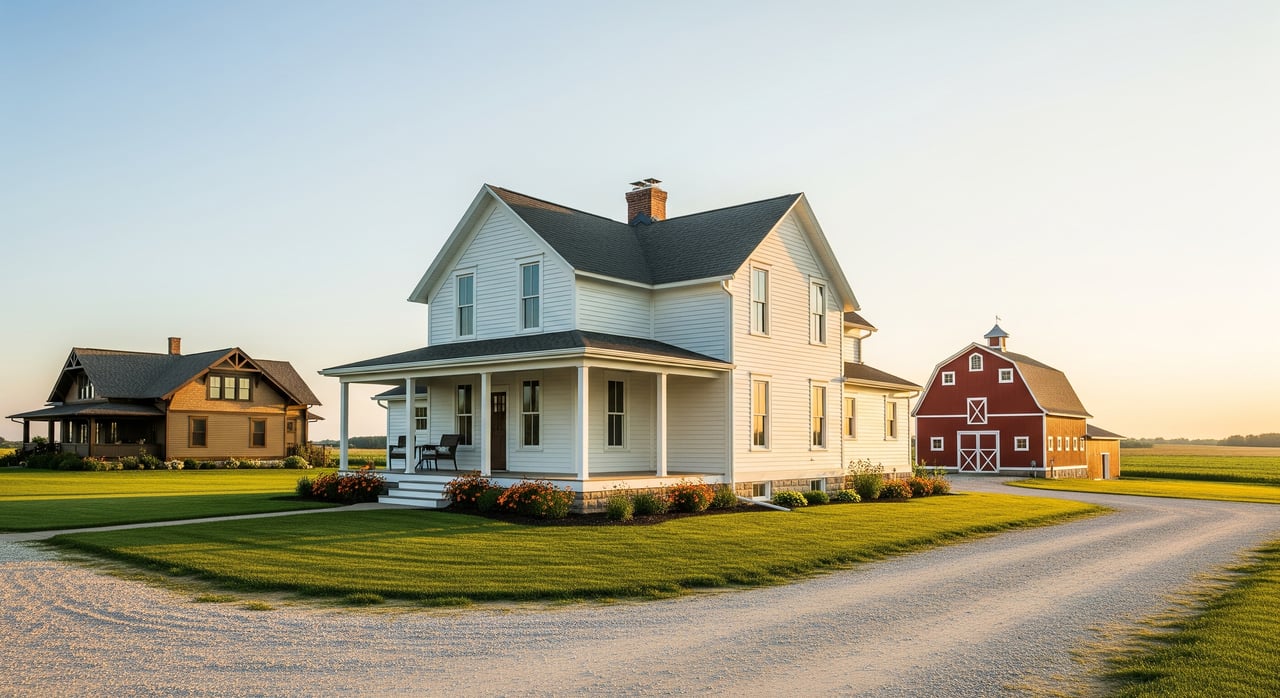
Ever drive through Kalona and wonder what style of homes you’re seeing? If you’re moving within town or relocating to the area, it helps to match each style to the way you want to live. In this guide, you’ll learn how to spot the most common home styles in Kalona, what features they offer, and practical things to check before you buy. Let’s dive in.
Why Kalona housing looks this way
Kalona blends a historic small-town core with surrounding countryside, so you’ll see older farmhouses near town, mid‑century neighborhoods, and newer infill builds. Inside town, lots can be smaller or older parcels with mature trees. Just outside town, properties may include acreage and outbuildings that reflect the area’s agricultural roots.
Utilities vary by location. Many in-town homes connect to municipal water and sewer, while rural properties often rely on private wells and septic systems. Buyers also consider storm readiness, basements, commute times to larger employment centers, and a lifestyle that fits local communities, including the area’s Amish and Mennonite presence.
Ranch homes: one-level living
Ranch homes are single-story with a low roofline. Many date to the mid‑20th century, and newer one‑level designs are appearing in recent construction. You’ll often find an attached garage, an open or semi‑open layout, and a full basement that adds storage and storm shelter.
Pros include easy accessibility, simpler maintenance, and a layout that works well for aging in place. Cons in older ranches can include smaller bedrooms and dated mechanicals if not updated. These homes are a great fit for downsizers, buyers with mobility needs, and small families who want everything on one level.
Tips for your tour:
- Check bedroom sizes and closet storage compared to your needs.
- Ask about mechanical updates, windows, and insulation.
- Inspect the basement for moisture control and usable storage.
- Map how you will enter during winter and where boots and coats will go.
Traditional and modern farmhouses
Traditional farmhouses often date to the late 19th or early 20th century. They usually have a two‑story form, gabled rooflines, and a generous front porch. Inside, you may see central halls, large eat‑in kitchens, mudrooms, and wood trim. Many sit on larger lots or acreage and can include outbuildings.
Modern farmhouse homes are newer builds or renovated classics that keep the porch-and-gable look while adding open layouts and contemporary finishes. Pros include character details, outdoor space for hobbies, and the potential for a rural lifestyle. Cons can include maintenance on older structures, updating wiring and insulation, and caring for wells, septic systems, and older outbuildings.
Buyer fit includes anyone seeking space for gardening, tools, or hobby farming, plus those who value historic charm. If you want character without major projects, look for farmhouses that have been thoughtfully updated.
Tips for your tour:
- Confirm well and septic type, age, and maintenance records.
- Ask about electrical upgrades, plumbing, and insulation improvements.
- Evaluate foundations and porches for signs of settlement or repair.
- Plan space for boots, coats, and gear in a functional mudroom.
Split-levels: efficient and flexible
Split‑level homes were popular from the 1950s to the 1970s. You enter at mid‑level, then go a short flight up to bedrooms or down to a family room or flexible space. This layout makes efficient use of a modest footprint and can offer a lot of finished square footage for the price.
Pros include clear separation of living and sleeping areas and a handy lower level for media, play, or work. Cons center on multiple short staircases, which can be tough for mobility needs, plus dated finishes if the home has not been refreshed. These homes often appeal to buyers who want value and flexible space.
Tips for your tour:
- Consider daily movement across short stair runs for your household.
- Look for egress windows and ceiling height in lower-level spaces.
- Check garage access and storage, especially for gear or tools.
- Budget for cosmetic updates if original finishes remain.
Bungalows and Craftsman cottages
Bungalows and Craftsman cottages usually date to the early 20th century. They are one or one‑and‑a‑half stories with a prominent porch and sometimes exposed rafters. You’ll often find them on older blocks close to town conveniences.
Pros include a cozy scale, porch life, and appealing architectural details. Cons can include smaller bedrooms and closets, plus the potential for older materials that may need attention. These homes are great for buyers who prefer a smaller footprint near downtown amenities.
Tips for your tour:
- Ask about any lead-paint disclosures if built before 1978.
- Review insulation, windows, and HVAC for efficiency.
- Inspect porch supports and roof overhangs for maintenance needs.
- Note attic access and storage if it is a 1.5‑story plan.
Modern builds and renovated classics
Newer construction and extensively renovated homes in Kalona often highlight open layouts, attached garages, and energy‑efficient systems. You may see upgraded insulation, newer windows, and modern kitchens designed for easy entertaining.
Pros include lower immediate maintenance and move‑in convenience. Cons can be higher purchase prices and smaller infill lots compared to older suburban parcels. These homes work well for first‑time buyers who want turnkey condition and for anyone who prefers contemporary finishes.
Tips for your tour:
- Ask about insulation levels, window type, and HVAC age.
- Confirm any accessibility options if you need one‑level or wide clearances.
- Even with new systems, plan a thorough home inspection.
Lifestyle priorities to guide your search
Every style can work if it supports your daily life. Use these priorities to narrow your options:
- Accessibility and one‑level living: Ranch plans offer the simplest path, especially if you want minimal stairs.
- Open layout vs defined rooms: New builds favor open kitchens. Older homes may offer separate dining and living areas for more privacy.
- Mudroom and storage: Entry space for coats and boots is a high‑value feature in Kalona’s climate.
- Garage and workshop: Look for attached or detached garages and outbuildings if you have tools, equipment, or hobbies.
- Yard and outdoor living: Porches, patios, and larger lots support gardening and outdoor activities.
- Basement and storm safety: A basement or safe room provides shelter in severe weather and adds storage.
- Energy efficiency: Updated windows, insulation, and modern HVAC help with comfort and costs.
- Historic character vs turnkey: Decide whether you want original woodwork and are open to updates, or prefer a move‑in ready home.
Rural and small-town purchase considerations
Utilities and onsite systems
- Well and septic: Confirm system type, age, capacity, and maintenance history. Ask about county or environmental permits for new or replacement systems.
- Municipal water and sewer: If you prefer town utilities, verify hookups, lateral condition, and any tap fees.
- Heating fuel: Clarify fuel type, tank ownership if propane, and service records.
Inspections and safety
- Structure and foundation: Older farmhouses can show settlement or foundation issues. Request a structural review if needed.
- Electrical and plumbing: Look for outdated wiring or older plumbing components and plan for upgrades.
- Lead paint and asbestos: Homes built before 1978 may include lead paint. Older materials can contain asbestos and may need professional handling.
- Radon testing: Iowa has areas with elevated radon potential. Add a radon test to your inspection plan.
- Weather readiness: Confirm presence of a basement, storm shelter, or reinforced safe room.
Zoning and permits
- Building and septic permits: Additions, accessory buildings, and major renovations generally need permits. Septic and well work may involve separate health department processes.
- Agricultural vs residential: Properties adjoining farmland can have zoning or easements that affect future use or subdivision.
- Historic context: If a home sits in a designated historic area, there may be standards for exterior changes. Verify with local planning.
Market and search tactics
- Inventory: Smaller towns see fewer listings. Set alerts, stay flexible on timing, and be ready to tour quickly.
- Acreage and outbuildings: Documentation can vary. Clarify property lines, easements, and past uses during due diligence.
- Contractor availability: Specialized trades may be limited locally. Build time and cost buffers into renovation plans.
How to choose the right style for you
Start with your daily routines. If you want single-level living and low maintenance, focus on ranches and newer builds. If you want acreage, outdoor projects, or classic character, explore farmhouses and bungalows.
Next, compare total cost of ownership across your finalists. Factor in likely upgrades such as insulation, electrical updates, radon mitigation, well and septic servicing, or porch repairs. In many cases a cosmetically dated home with strong systems is better value than a flashy remodel with deferred maintenance.
Finally, test your commute, map local services, and think 5 to 10 years ahead. Plan for life changes like a growing family, working from home, or aging in place. A home style that supports your long‑term goals will feel right for years to come.
Ready to explore Kalona homes?
Whether you are drawn to a porch-front farmhouse or a modern one‑level ranch, you deserve a search that feels clear and confident. If you want local guidance on inventory, inspections, utilities, and the best fit for your lifestyle, let’s talk. Connect with Tim Conroy for a friendly, no‑pressure consultation and a plan tailored to you.
FAQs
How can I tell a traditional farmhouse from a modern farmhouse remodel in Kalona?
- Look at the foundation type and age, original wood trim and doors, rooflines, and construction materials. Historic records and past permits can also help confirm age.
What inspections should a first‑time buyer order for an older home in Kalona?
- Plan for a general home inspection, radon test, pest inspection, and separate well and septic evaluations if applicable. Add specialty inspections if the general inspection flags concerns.
Are basements common in Kalona, and do I need one?
- Basements are common and useful for storage, mechanicals, and shelter during severe weather. If a basement is not present, consider a certified safe room or designated shelter plan.
What should I know about wells and septic systems before buying near Kalona?
- Confirm system type, capacity, age, and maintenance records. Ask about any county health department permits required for repair or replacement.
How might living near an Amish or Mennonite community affect my home choice?
- You may notice cultural influence on local commerce and craftsmanship, plus horse‑drawn vehicles on rural roads. Choose a location that matches your daily travel and service needs.
Can I open up a closed floor plan in a farmhouse or bungalow?
- Yes, it is common to create more open sightlines, though it may require structural modifications and updates to HVAC and electrical systems.
What home style is best for aging in place in Kalona?
- A ranch with minimal thresholds, an accessible bathroom, main‑level laundry, and a safe entry is often the best long‑term choice.